That famous army, well-protected by Neela, was kept stationed nicely at the northern shore of the ocean.
वह नीले रंग की, विधिवत रूप से सुसज्जित और सुरक्षित, साधुओं की सेना समुद्र के उत्तरी किनारे पर अच्छी तरह से व्यवस्थित थी।
Yuddha Kanda – Sarga 5 · v2
मैन्दः च द्विविधः च उभौ तत्र वानर पुम्गवौ |
विचेरतुः च ताम् सेनाम् रक्षा अर्थम् सर्वतो दिशम् || ६-५-२
Both Maina and Dvivida the distinguished monkeys there moved in all directions through that army, for the purpose of vigilance.
मैन्द और द्विविद, ये दोनों श्रेष्ठ वानर वहाँ सेना की रक्षा के लिए चारों दिशाओं में घूमने लगे।
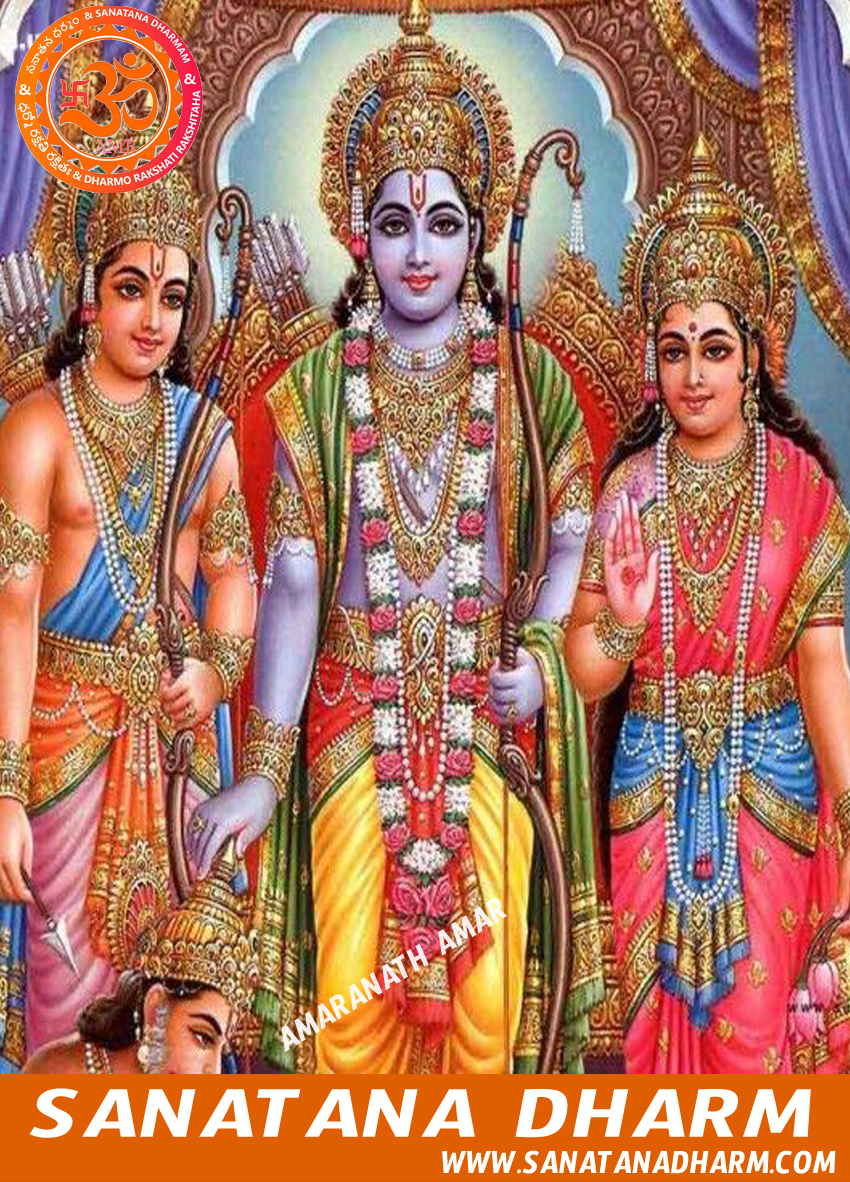
After the army was settled at the sea-shore, Rama spoke to Lakshmana who was by his side (as follows):
नदी के तट पर सेना के ठहर जाने पर, राम ने अपने बगल में खड़े लक्ष्मण को देखकर यह वचन कहा।
Yuddha Kanda – Sarga 5 · v4
शोकः च किल कालेन गच्चता हि अपगच्चति |
मम च अपश्यतः कान्ताम् अहनि अहनि वर्धते || ६-५-४
"It is so said that sorrow gets vanished at the passing of time. But my agony of not seeing my beloved is getting increased every day."
जब समय बीतता है तो दुख भी कम हो जाता है, परंतु प्रियतमा को न देख पाने के कारण मेरा दुख प्रतिदिन बढ़ता ही जा रहा है।
Yuddha Kanda – Sarga 5 · v5
न मे दुह्खम् प्रिया दूरे न मे दुह्खम् हृता इति च |
तद् एव अनुशोचामि वयो अस्या हि अतिवर्तते || ६-५-५
"There is no anguish for me that my beloved is at a distance, nor that she was taken away. Her age is indeed passing away. Only about this, I am repenting."
मेरा प्रियजन दूर है, यह मुझे दुखी नहीं करता, न ही यह कि वह मुझसे छिन गया है। मैं तो केवल इस बात का शोक मनाता हूँ कि उसका समय बहुत तेज़ी से बीत रहा है।
Yuddha Kanda – Sarga 5 · v6
वाहि वात यतः कन्या ताम् स्पृष्ट्वा माम् अपि स्पृश |
त्वयि मे गात्र संस्पर्शः चन्द्रे दृष्टि समागमः || ६-५-६
"Oh, wind! Flow from the side of my beloved. Touch her and touch me too. It is through you that I get a contact of her limbs. It is through moon that I get a contact of her eyes."
हे वायुदेव, जहाँ से उस कन्या को स्पर्श करो, वहीं से मुझे भी स्पर्श करो। तुम्हारे स्पर्श से मेरा शरीर छू जाएगा और चंद्रमा के दर्शन से मेरी दृष्टि का मिलन हो जाएगा।
Yuddha Kanda – Sarga 5 · v7
तन् मे दहति गात्राणि विषम् पीतम् इव आशये |
हा नाथ इति प्रिया सा माम् ह्रियमाणा यद् अब्रवीत् || ६-५-७
"That darling being carried away; might have cried "Oh, Lord!" Seeking for help. That thought is like poison gulped by me, hovering in my stomach and scorching my limbs."
वह विष पीने के समान मेरे अंगों को जला रहा है, क्योंकि जब वह, मेरी प्रिय, मुझे ले जाते हुए बोली, "हे नाथ!"
Yuddha Kanda – Sarga 5 · v8
तद् वियोग इन्धनवता तच् चिन्ता विपुल अर्चिषा |
रात्रिम् दिवम् शरीरम् मे दह्यते मदन अग्निना || ६-५-८
"My body is scorching night and day, by the fire of passion, holding fuel of my separation from her and my thoughts of her flaring into shimmering flames."
उस प्रियतम के वियोग की अग्नि में, मेरी चिंता की ज्वालाएँ भड़क रही हैं। इन दोनों से मेरा शरीर दिन-रात कामदेव की अग्नि से जल रहा है।
"Oh, Lakshmana! Diving deep into the sea without you, I shall fall asleep. This flaming passion will not thus scorch me, lying down in water.
अवगाह्य अर्णवम् स्वप्स्ये सौमित्रे भवता विना |
कथंचित् प्रज्वलन् कामः समासुप्तम् जले दहेत् || ६-५-९
**सरल हिंदी अनुवाद:** हे सौमित्रे (लक्ष्मण), तुम्हारे बिना मैं इस सागर में डूबकर सो जाऊँगा। क्योंकि यह प्रज्वलित कामदेव किसी भी तरह मुझे सोए हुए को जलाकर भस्म कर देगा।
"It is enough for me, who is passionate, that Seetha with charming thighs and myself are resting on one the same earth and on this fact I am able to survive."
यह बहुत अधिक है, हे कामदेव! यह संभव है कि मैं और वह सुंदर जंघाओं वाली स्त्री एक ही पृथ्वी पर जीवित रहें।
"Even as a paddy-field without water survives, by getting wet from a neighboring paddy-field under water, I also survive since I am hearing her as surviving.
केदार के समान ही यह भूमि है, जो जल से भरी है और जल के बिना भी है। मैं स्नेह से जी रहा हूँ, क्योंकि मैं उसे जीवित सुनता हूँ।
"When shall I behold Seetha with charming hips, having long lotus-like eyes flourishing as prosperity, by conquering the enemies?"
जब मैं शत्रुओं को जीतकर, कमल के समान विशाल नेत्रों वाली, अत्यंत शोभायमान सीता को धन-संपन्न लक्ष्मी के समान देखूंगा।
"When, gently raising her face looking like louts, with its beautiful teeth and lips, shall I drink as a sick man the sovereign drink of remedy?"
उसकी कमल के समान मुख की सुंदर बिम्ब जैसी ओष्ठों को मैं प्यासे व्यक्ति की तरह कब देख पाऊंगा?
Yuddha Kanda – Sarga 5 · v14
तौ तस्याः सम्हतौ पीनौ स्तनौ ताल फल उपमौ |
कदा नु खलु स उत्कम्पौ हसन्त्या माम् भजिष्यतः || ६-५-१४
"When will those breasts which are delightful close, bulging and quivering, looking like palmary fruits, indeed press me?"
वह स्त्री के भरे हुए, गोल और ताड़ के फलों के समान ऊँचे स्तन, हँसते हुए कब मेरे होंगे?
Yuddha Kanda – Sarga 5 · v15
सा नूनम् असित अपान्गी रक्षो मध्य गता सती |
मन् नाथा नाथ हीना इव त्रातारम् न अधिगच्चति || ६-५-१५
"She, with dark-cornered eyes, who has fallen into the midst of demons, is surely not getting any defender, she resembling an orphan, though I am her support."
वह निश्चित रूप से, काली आँखों वाली, राक्षसों के बीच फँसी हुई, स्वामी के बिना अनाथ की तरह, रक्षक को नहीं पा रही है।
"How Seetha the daughter of King Janaka, my darling and Dasaratha's daughter-in-law is sleeping among ogresses?"
जब वह राक्षसों को वश में करके और उन्हें दूर भगाकर ऊपर उठेगी, तब वह राक्षसों के बीच में सोई हुई दशरथ की पुत्रवधू भी उठेगी।
"Seetha will come out, driving away (through my force) the unassailable demons, as driving away black clouds by a digit of the moon, in autumn."
यह श्लोक कहता है कि जिस प्रकार शरद ऋतु में चंद्रमा नीले बादलों को हटाकर ऊपर उठता है, उसी प्रकार वह (स्त्री) भी राक्षसों को दूर हटाकर निर्भय होकर आगे बढ़ेगी।
Yuddha Kanda – Sarga 5 · v18
स्वभाव तनुका नूनम् शोकेन अनशनेन च |
भूयस् तनुतरा सीता देश काल विपर्ययात् || ६-५-१८
"Seetha, who by nature is slender, will undoubtedly become leaner further because of her anguish, her abstinence from food and her adverse position of time and place."
यहाँ श्लोक का सरल हिंदी अनुवाद दिया गया है: निश्चित रूप से, शोक और उपवास से स्वभावतः शरीर दुर्बल हो जाता है। परंतु, देश और काल के विपरीत होने के कारण सीता का शरीर और भी अधिक दुर्बल हो गया।
"When shall I bring back Seetha, having lodged arrows in Ravana's chest and having abandoned this mental agony?"
कब मैं राक्षस के हृदय में बाण मारकर, अपने मन का सारा शोक त्यागकर, सीता को वापस लाऊंगा।
"When indeed Seetha the virtuous lady similar to the child of a celestial, with an excited longing, will embrace my neck and release tears of joy?"
वह साध्वी सीता, जो देवताओं की पुत्री उपमा के समान है, कब मुझे उत्कंठा से गले लगाकर आनंद के आँसू बहाएगी।
Yuddha Kanda – Sarga 5 · v21
कदा शोकम् इमम् घोरम् मैथिली विप्रयोगजम् |
सहसा विप्रमोक्ष्यामि वासः शुक्ल इतरम् यथा || ६-५-२१
"When shall I thrillingly abandon this terrible anguish, born out of my separation from Seetha so soon, as we abandon a soiled clothing?"
जब मैं इस भयंकर वियोग के शोक से मुक्त हो जाऊँगा, तब मैं उसी प्रकार सुख से रहूँगा जैसे शुक्ल पक्ष के बाद कृष्ण पक्ष का अंधकार दूर हो जाता है।
While that sagacious Rama was lamenting thus there, the sun, the weak-rayed due to day-decline, approached the dusk.
जब बुद्धिमान राम इस प्रकार विलाप कर रहे थे, तब दिन के अंत में मंद पड़कर सूर्य अस्त हो गया।
Lakshmana consoled Rama who was overwhelmed with anguish, duly recollecting the lotus-eyed Seetha. Thereafter, Rama worshipped the evening-twilight.
लक्ष्मण द्वारा आश्वस्त किए जाने पर, राम ने संध्या वंदन किया। कमल जैसे नेत्रों वाली सीता को स्मरण करते हुए वे शोक से व्याकुल हो गए।